
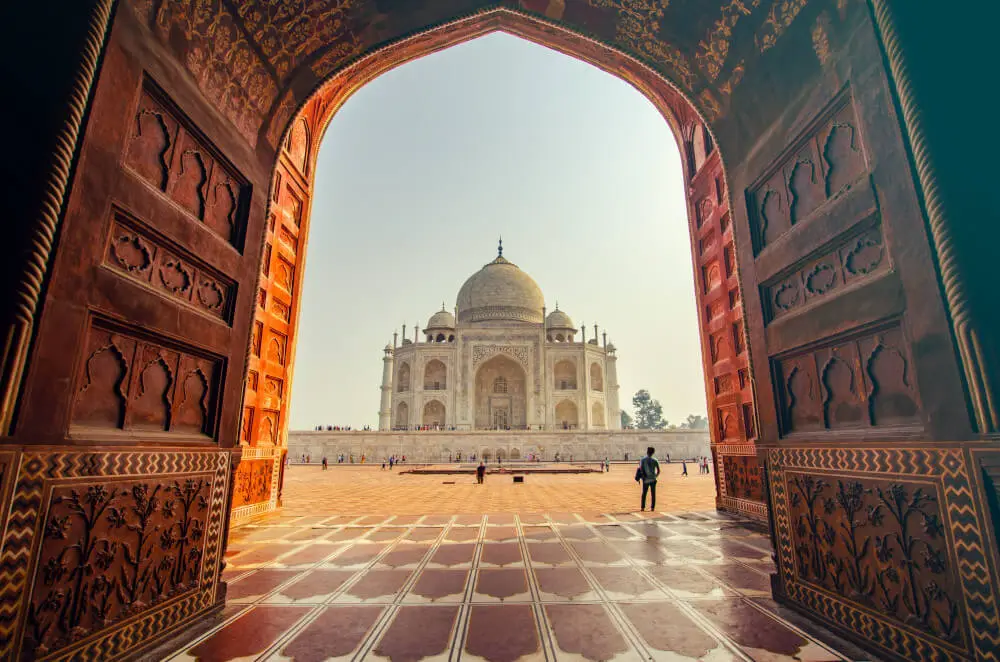
Medical travel to India
India is one of the world’s most trusted destinations for high-quality, affordable medical treatment, attracting patients from Africa, the Middle East, Europe, CIS countries, Australia, and North America.
India is one of the world’s most trusted destinations for high-quality, affordable medical treatment, attracting patients from Africa, the Middle East, Europe, CIS countries, Australia, and North America. The country combines internationally accredited hospitals, highly experienced doctors, advanced medical technology, and treatment costs that are often 60 to 80% lower than in Western countries.
With structured medical systems, English-speaking healthcare professionals, and dedicated international patient services, India offers a safe, transparent, and reliable environment for foreign patients seeking advanced medical care.
Send us your reports today. Our team will reply within 24 hours with your treatment options.

Ready to start your healthcare journey?
Why India for medical treatment
Internationally Accredited Hospitals & Global Standards
India is home to hundreds of hospitals accredited by JCI and NABH, ensuring strict compliance with international safety, hygiene, and clinical quality standards. Leading hospitals are equipped with advanced ICUs, robotic surgery systems, modern diagnostic imaging, and specialized transplant units.
Highly Experienced Doctors with Global Training
Indian doctors are globally respected for their expertise across specialties such as oncology, cardiology, orthopedics, neurology, organ transplantation, and fertility treatment. Majorit of the specialists treating international patients have:
- International fellowships (USA, UK, Europe)
- 15 to 30+ years of clinical experience
- High procedure volumes
- Extensive experience treating international patients
- English is the primary language of medical communication, ensuring clarity at every stage of treatment.
Popular Medical Treatments in India for Foreign Patients
International patients most commonly travel to India for:
- Cancer Treatment (surgery, chemotherapy, radiotherapy, IMRT, CyberKnife)
- Heart & Cardiac Surgery (CABG, valve replacement, TAVI)
- Orthopedic & Spine Surgery (knee replacement, hip replacement, scoliosis correction)
- Organ Transplant (kidney, liver, bone marrow)
- Pediatric Surgery (cardiac, orthopedics, critical care, urology, congenital deformities)
- Fertility & IVF Treatment
- Neurosurgery & Brain Tumor Treatment
- Cosmetic & Reconstructive Surgery
India’s multidisciplinary approach ensures comprehensive care from diagnosis to rehabilitation.
Hospital Infrastructure and Services in India
- Modern, purpose-built hospitals: Major hospitals in India are large, tertiary-care facilities designed specifically to manage complex medical and surgical cases. They feature advanced ICUs, modular operation theatres, dedicated oncology and transplant units, and recovery-focused inpatient areas.
- International accreditation and quality standards: Many hospitals follow globally recognized safety and quality benchmarks and hold accreditations such as JCI and NABH, reflecting compliance with international clinical, ethical, and patient safety standards.
- Advanced radiation and precision therapies: Indian hospitals are equipped with cutting-edge technologies such as Gamma Knife and CyberKnife for non-invasive and highly precise radiosurgery, particularly for brain tumors and complex neurological conditions.
- Robotic and minimally invasive surgery: Leading hospitals use robotic surgical systems such as da Vinci, enabling greater surgical precision, smaller incisions, reduced blood loss, faster recovery, and shorter hospital stays across specialties including urology, gynecology, oncology, and cardiothoracic surgery.
- High-end diagnostic and imaging facilities: Hospitals are equipped with advanced diagnostic tools including PET-CT scanners, 3T MRI, digital CT scanners, and hybrid cath labs, allowing accurate diagnosis and treatment planning under one roof.
- Strict infection control and patient safety protocols: Accredited hospitals follow stringent infection prevention practices, including HEPA-filtered operation theatres, standardized sterilization protocols, antibiotic stewardship programs, and continuous clinical audits to minimize hospital-acquired infections.
- Dedicated international patient departments: Most tertiary hospitals operate specialized international patient services to support foreign patients with visa documentation, airport transfers, accommodation arrangements, appointment coordination, and language assistance, ensuring a smooth and well-managed treatment experience.
- Comprehensive multi-specialty care: Indian hospitals provide a wide spectrum of medical services including cancer care, cardiac surgery, orthopedics, neurology, organ transplantation, fertility treatment, and reconstructive surgery, reducing the need for multiple referrals or hospital transfers.
- Centres of excellence for specialized care: Many hospitals have established centres of excellence in areas such as oncology, cardiology, neurosciences, orthopedics, and transplant medicine, where multidisciplinary teams collaborate to deliver personalized, evidence-based treatment plans.
- Focus on outcomes, safety, and recovery: Hospitals emphasize patient safety, clinical outcomes, and post-treatment recovery through structured care pathways, rehabilitation services, and coordinated follow-up planning for international patients.
Expertise and Qualifications of Doctors in India
Strong Medical Education and Clinical Training
Medical education in India follows a rigorous and standardized curriculum regulated by national medical authorities. Doctors complete extensive academic training combined with hands-on clinical rotations across multiple specialties, ensuring strong foundational knowledge and real-world experience before independent practice.
Indian medical colleges are widely recognized for their high patient exposure, allowing doctors to gain early and extensive experience in diagnosing and managing both routine and complex medical conditions.
Advanced Specialization and Global Exposure
Many Indian doctors pursue postgraduate specialization, fellowships, and advanced training in India as well as abroad, including the USA, UK, Europe, and other leading medical systems. This global exposure allows them to integrate international best practices with India’s high-volume clinical experience.
Specialists regularly engage in:
- Sub-specialty fellowships
- International clinical observerships
- Research collaborations
- Participation in global medical conferences
This continuous learning ensures that treatment approaches remain up-to-date and evidence-based.
High-Volume Experience in Complex Procedures
A key strength of Indian doctors is their high case volume, particularly in tertiary and quaternary care hospitals. Managing a large number of complex cases across specialties such as cancer care, cardiac surgery, orthopedics, neurology, organ transplantation, and fertility treatment enhances clinical precision and decision-making.
For international patients, this translates into experienced specialists who are familiar with advanced procedures and varied clinical presentations.
Clear Communication in English
English is the primary language of medical education and professional communication in India. Doctors are fluent in English, enabling clear discussions about:
- Diagnosis and treatment options
- Risks and expected outcomes
- Recovery timelines
- Post-treatment care and follow-up
This minimizes misunderstandings and helps international patients make informed decisions with confidence.
Experience in Treating International Patients
Many Indian doctors have long-standing experience treating patients from Africa, the Middle East, Europe, CIS countries, and other regions. They are familiar with diverse cultural expectations, medical histories, and treatment preferences.
Hospitals often support doctors through dedicated international patient departments, which coordinate appointments, documentation, and non-clinical needs. This allows doctors to focus on clinical care while ensuring international patients receive personalized, well-coordinated treatment.
Commitment to Ethical Practice and Patient Outcomes
Indian doctors operate within regulated medical frameworks and hospital governance systems that emphasize ethical practice, patient safety, and outcome-based care. Treatment plans are typically discussed within multidisciplinary teams, especially for complex cases, ensuring balanced and transparent clinical decisions.
Indian Weather, Culture and Cuisine
Indian Culture
Indian culture is diverse, vibrant, and deeply rooted in traditions. It encompasses a rich heritage of art, music, dance, architecture, and spirituality. The country celebrates a multitude of festivals throughout the year, each with its own unique customs and traditions. Indian culture places great importance on family values, respect for elders, and hospitality towards guests. The influence of various religions and regional diversity further enriches the cultural fabric of India
Weather
India has a varied climate due to its size and geographical diversity. The country experiences four main seasons: winter (December to February), summer (March to May), monsoon (June to September), and post-monsoon (October to November). The climate ranges from tropical in the south to temperate in the north. Coastal regions are generally humid, while northern regions can have colder winters. The weather can vary significantly across different states and regions of the country.
Cuisine
Indian cuisine is renowned for its flavors, spices, and diversity. It offers a wide range of vegetarian and non-vegetarian options, catering to various tastes and dietary preferences. Each region in India has its own distinct culinary specialties, influenced by local ingredients and cooking techniques. Popular dishes include biryani, curry, dosa, tandoori, butter chicken, samosas, and a variety of sweets like gulab jamun and jalebi. Indian cuisine also offers a variety of vegan and gluten-free options.
Variety of Food for Foreigners
India is known for its culinary diversity and offers a wide variety of food preferences for foreigners. Many restaurants and hotels in major cities and tourist destinations provide international cuisine options, including Western, Chinese, Thai, Italian, and more. Additionally, Indian cities have a growing number of specialty restaurants catering to specific dietary requirements, such as vegan, vegetarian, and gluten-free options. With its rich culinary heritage, foreigners visiting India can enjoy a vast array of food choices to suit their preferences
Visa, Travel & Stay Support for International Patients
India offers a dedicated Medical Visa (M-Visa) for foreign patients. Quick Global Nexus assists with:
- Medical visa documentation
- Medical visa application submission
- Invitation letters from hospitals
- Travel & airline coordination
- Special clearances for immobile or critical patients
- Companion visas for attendants
- Accommodation options range from serviced apartments to hotels near hospitals, tailored to recovery needs and budget.
Ready to start your healthcare journey?
Fill out the form below and our team will get back to you within 24 hours with personalized treatment options.
Hospitals in India
All hospitals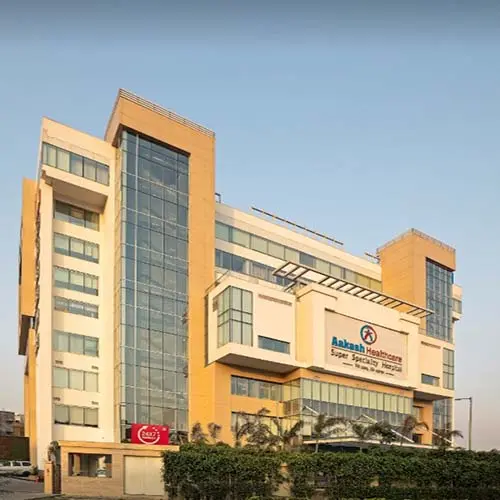 New Delhi, India
Aakash Healthcare Super Speciality Hospital, Dwarka
Aakash Healthcare Super Speciality Hospital, a 230-bed tertiary care facility located in Dwarka, NCR of Delhi, offers state-of-the-art infrastructure and advanced technology.
Book appointment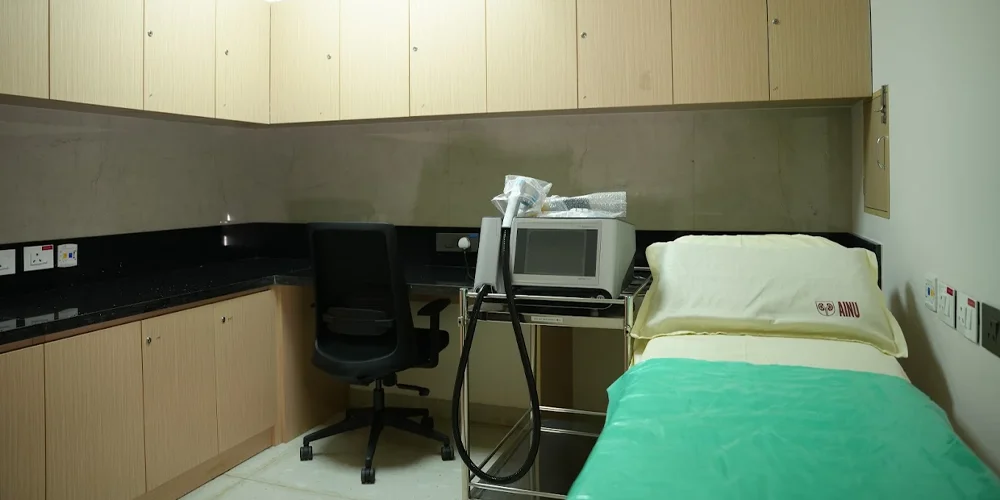 Hyderabad, India
AINU Hospital, Banjara Hills
Asian Institute of Nephrology and Urology (AINU), Banjara Hills, Hyderabad, is a leading super-specialty hospital exclusively focused on kidney care, urology, nephrology, and renal transplantation.
Book appointment Faridabad, India
Amrita Hospital
Amrita Hospital, Faridabad stands as a beacon of exceptional healthcare, widely recognized across South Asia for its commitment to clinical excellence and patient-centered care.
Book appointment New Delhi, India
Apollo Athenaa Women’s Cancer Centre
Apollo Athenaa Women’s Cancer Centre is Asia’s first facility dedicated exclusively to women’s oncology, offering comprehensive cancer care tailored to the unique needs of women.
Book appointment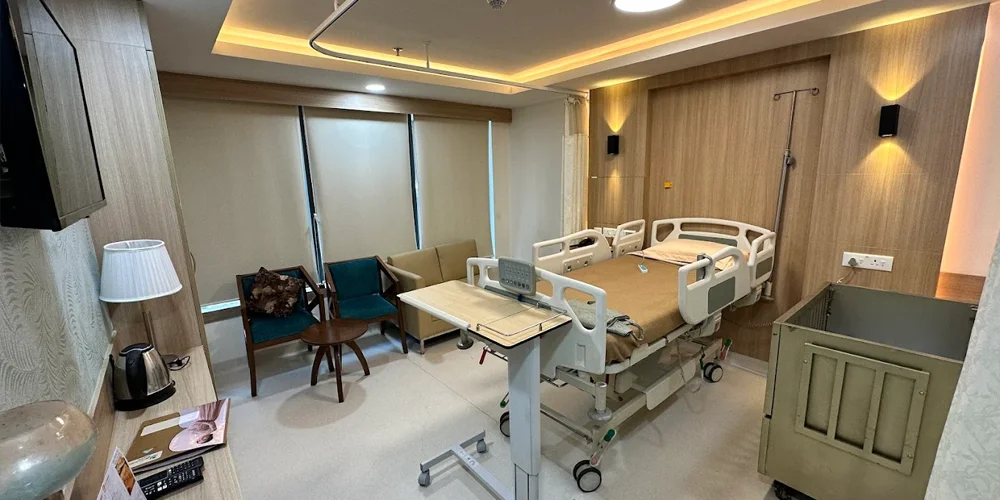 New Delhi, India
Apollo Cradle & Children's Hospital, Chirag Enclave
Apollo Cradle Royale, Chirag Enclave is a premium, state-of-the-art women and child healthcare facility designed to deliver a seamless blend of advanced clinical excellence and luxury patient care experience.
Book appointment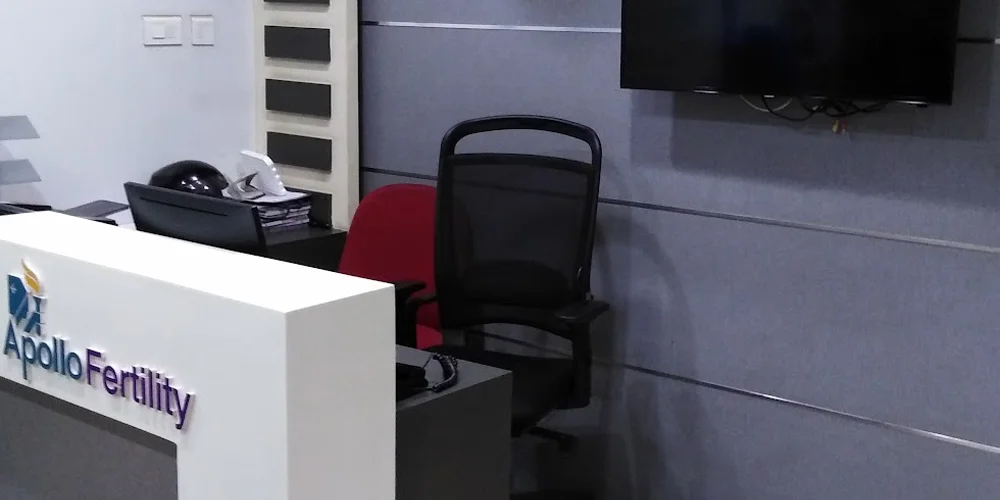 Chennai, India
Apollo Fertility Anna Nagar
Apollo Fertility, Anna Nagar, Chennai, is the first standalone Apollo Fertility Centre in Chennai and one of the leading fertility centres in South India.
Book appointment
Ready to start your healthcare journey?
Send us your reports today. Our team will reply within 24 hours with your treatment options.